
Tips for Toddlers and kids
Fun and Educational Activities for Toddlers at Home
Nov
As a parent, I’ve learned that toddlers don’t just play — they explore, learn, and make sense of the world through every little thing they do. I remember when my child was around two, we’d spend long afternoons trying out simple activities that were both fun and secretly educational. Those moments weren’t just about keeping them busy; they helped us bond in a way that screens or fancy toys never could.
Over time, I realised you don’t need anything expensive or complicated to create meaningful learning experiences at home. You just need a bit of creativity and patience. So, here are some simple, hands-on activities that have worked beautifully for us — and might just make your days a little more joyful too.
Sensory Play with Everyday Items
Toddlers love to touch, feel, and experiment. One of my favourite activities was setting up a small sensory station using items from the kitchen — rice, pasta, lentils, or even flour. I’d pour them into separate bowls, add spoons and cups, and let my toddler scoop, pour, and mix.
It looked messy (and yes, it usually was), but the joy on their face made it worth it. What I loved most was watching them learn about texture, volume, and cause-and-effect — all while strengthening their fine motor skills. If you want to add a little twist, include some toys like cars or animal figurines to create a mini “world” in the tray.
Storytime with a Twist
Reading together is one of our favourite routines, but sometimes I turn it into a game. I pause before the end of a sentence and let my toddler fill in the word or make up their own version. It turns reading into a two-way conversation instead of just a quiet story.
I remember once my child turned a bedtime story about a rabbit into an adventure about a superhero bunny who could fly! It reminded me how powerful imagination can be when we let kids take the lead. These small moments of storytelling help them develop language, memory, and confidence — and honestly, they make storytime much more fun for us adults too.
Music and Movement Fun
Music has always been a big part of our playtime. We’d play some upbeat songs and dance around the living room like no one was watching. Sometimes, we’d grab kitchen utensils to use as instruments — wooden spoons as drums, rice in jars as shakers.
Apart from the laughter and exercise, music helped my toddler recognise rhythm, coordination, and expression. It’s amazing how quickly they pick up beats and melodies when you just give them the freedom to move.
Sorting and Colour Play
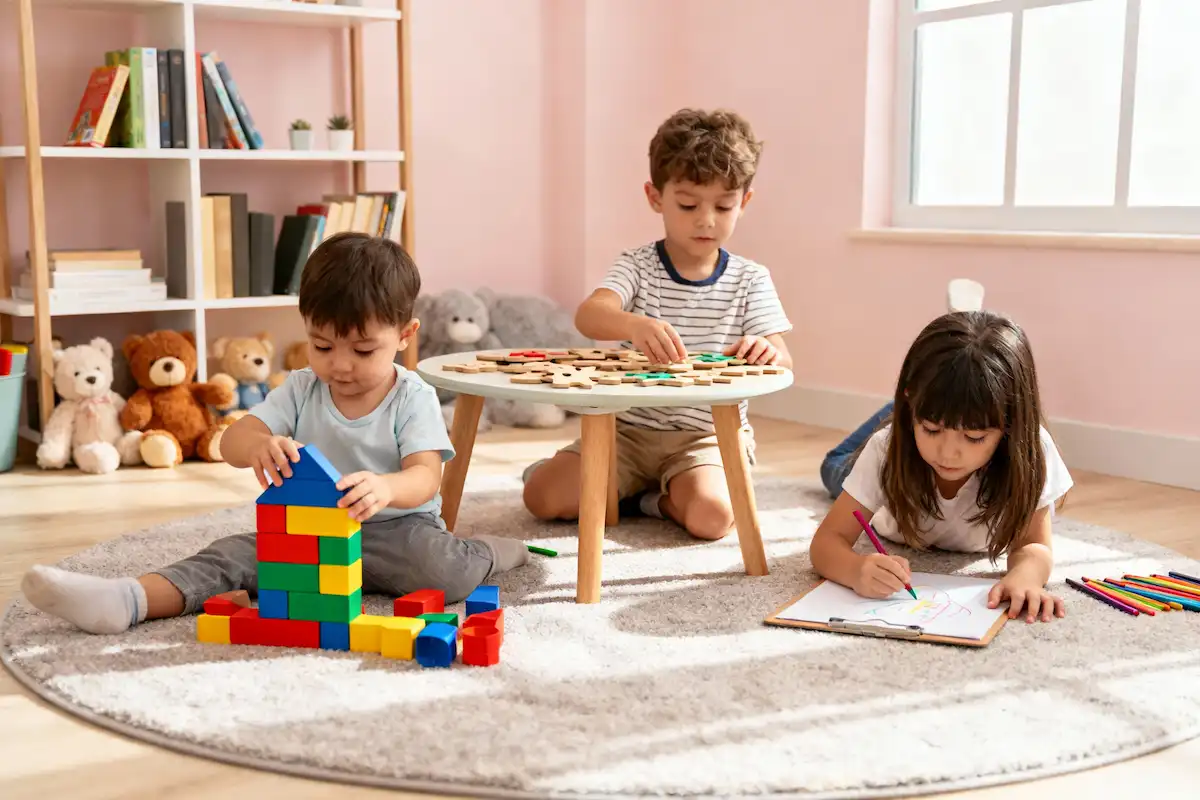
Simple sorting games can keep toddlers engaged for a long time. I often use colourful blocks, buttons, or even socks. We spread them on the floor, and I ask my child to sort by colour, size, or type.
It’s a quiet, focused activity that builds observation skills and concentration. Sometimes, I’d turn it into a pretend “shop,” where they’d “buy” and “sell” coloured items — and I’d join in as their enthusiastic customer. That small roleplay always made them giggle and helped with early counting and social interaction too.
Nature Walks and Backyard Adventures
When we can’t stay indoors any longer, a simple walk becomes a world of discovery. We collect leaves, stones, and twigs, then come home and talk about their colours, shapes, and textures.
One afternoon, after a short rain, my toddler found a snail crawling on the pavement. We stopped, observed it slowly making its way forward, and that moment turned into a full “lesson” about nature — without me even planning it. Those unplanned learning opportunities are often the best ones.
Creative Art and Messy Fun
Art time is pure magic for toddlers. Whether it’s finger painting, stamping with vegetables, or using coloured water to “paint” outside walls, the process is always more important than the result.
I learned early on not to worry about neatness. The goal is to let them express themselves freely. My fridge door has become an art gallery of their early masterpieces, each one a snapshot of curiosity and creativity
Building and Pretend Play
Blocks, boxes, cushions — anything can become part of a “construction site.” I still remember the day we built a blanket fort that turned into a pirate ship. Pretend play helps toddlers understand the world around them and build emotional intelligence.
Sometimes I’d join in as the “ship captain” or “customer at their café,” and it always led to laughter and connection. These little games do wonders for their imagination and problem-solving skills.
Looking back, the most meaningful learning moments didn’t come from structured lessons but from everyday play and connection. Toddlers don’t care if something is “educational” — they just want to explore with you by their side.
If there’s one thing I’ve learned, it’s that you don’t need perfect setups or fancy materials. A few minutes of shared laughter, curiosity, and creativity can teach a child far more than we realise.
So the next time you’re home with your toddler, try turning the ordinary into something magical. It’s not about creating perfect activities — it’s about creating memories that help them grow, and help you rediscover the joy of simple play.
